Iron Casting Explained: Types, Benefits, and Industrial Uses
March 25, 2026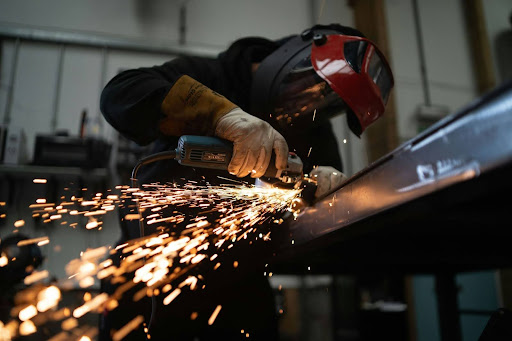
Selecting the right manufacturing partner can have a significant impact on the success of a project. For companies that rely on cast metal components, choosing the right foundry company is especially important. The foundry you work with influences not only the quality of the castings but also production timelines, design flexibility, and long-term reliability.
Modern manufacturing environments often require precision, consistency, and dependable supply chains. Working with a foundry company that understands these expectations can help ensure that the cast components used in your equipment or infrastructure meet the performance standards your operation requires.
At G&W Foundry, we work with manufacturers across multiple industries to produce castings designed for real-world applications. Understanding what to look for in a foundry partner can help you make a more informed decision when evaluating your options.
Experience and Industry Knowledge
One of the first things to evaluate when selecting a foundry company is its level of experience. Foundries with a long history in metal casting have often developed strong process controls, refined production methods, and a deeper understanding of different material properties.
Experience also means familiarity with the challenges that can arise during casting. Complex geometries, strict tolerances, and demanding performance requirements all require careful planning. An experienced foundry team is better equipped to anticipate potential issues and adjust processes accordingly.
Industry knowledge is also important. Different industries, such as manufacturing equipment, infrastructure, or heavy machinery, may have specific material and performance requirements. A foundry company that understands your industry will be better prepared to produce castings suited to those needs.
Capabilities and Production Capacity
Not all foundries offer the same capabilities. Some focus on small production runs or specific materials, while others are equipped to handle larger or more complex projects.
When evaluating a foundry company, it’s important to review the scope of services offered. This may include:
- Pattern and mold development
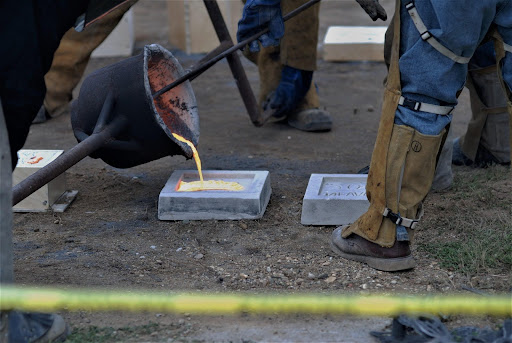
- Metal melting and casting
- Finishing and machining
- Quality testing and inspection
The ability to manage multiple stages of the casting process can simplify project coordination and improve overall production efficiency.
Understanding a foundry’s production capacity is equally important. Manufacturers often need a reliable supply of components over time. A foundry company with stable production capacity can help support consistent delivery schedules.
For organizations seeking dependable casting solutions, working with an experienced metal casting foundry can help ensure the manufacturing process runs smoothly from start to finish.
Quality Control and Process Management
Consistency is one of the most critical factors in metal casting. Even small variations in composition, temperature, or cooling rates can affect the final properties of a casting.
A reputable foundry company implements quality control procedures throughout the production process. These procedures may include raw material verification, in-process monitoring, and final inspection of finished components.
Quality control measures help ensure that each casting meets the required dimensional and mechanical specifications. For manufacturers that rely on interchangeable parts or ongoing production cycles, repeatability is essential.
When evaluating a foundry partner, it’s helpful to ask about testing methods, inspection protocols, and documentation practices used during production.
Engineering Support and Collaboration
Manufacturing projects often benefit from collaboration between engineers and foundry specialists. Early involvement in the design phase can help improve manufacturability and reduce potential production challenges.
A foundry company that offers engineering support can assist with mold design, gating systems, and material selection. These adjustments may improve casting efficiency while maintaining structural integrity.
Collaborative design also helps ensure that cast components meet performance requirements while remaining cost-effective to produce. This type of partnership often leads to better long-term results for manufacturers.
Material Expertise
Different casting applications require different materials. Iron, steel, and various alloy compositions each offer unique properties related to strength, wear resistance, and thermal performance.
A knowledgeable foundry company will understand how material selection influences casting behavior and final component performance. This expertise allows manufacturers to choose materials that match their operating environment.
Material expertise also supports consistency. Maintaining the correct chemical composition during melting is essential for producing reliable castings.
Communication and Transparency
Clear communication is another key factor when selecting a foundry partner. Manufacturing projects often involve tight timelines and detailed technical specifications. A foundry company should be able to communicate clearly about production schedules, design considerations, and potential adjustments.
Transparent communication helps reduce misunderstandings and ensures that expectations remain aligned throughout the project.
Companies that provide clear documentation, progress updates, and open technical discussions often build stronger long-term relationships with their manufacturing partners.
Reliability and Long-Term Partnership
For many manufacturers, cast components are not one-time purchases. They may be required repeatedly for equipment production, maintenance programs, or replacement parts.
A reliable foundry company provides consistency across production runs while maintaining dependable delivery schedules. This reliability supports stable supply chains and helps manufacturers avoid costly delays.
Building a long-term relationship with a foundry partner can also improve efficiency over time. As the foundry becomes familiar with your product specifications, production processes often become more streamlined.
Evaluating Foundry Facilities and Technology
Modern foundries continue to evolve through improvements in equipment, automation, and process monitoring. Advanced melting systems, improved mold technologies, and more precise inspection tools all contribute to better casting results.
When choosing a foundry company, it can be helpful to understand the type of technology and equipment used in production. Foundries that invest in updated processes often achieve higher levels of precision and repeatability.
While traditional casting techniques remain important, modern technology helps ensure those methods are applied with greater control and consistency.
Finding the Right Foundry Company
Choosing a foundry partner involves evaluating several factors, including experience, capabilities, quality control, and communication. A foundry company that demonstrates strong technical expertise and reliable production practices can become an important part of your manufacturing process.
At G&W Foundry, we focus on producing durable cast components through controlled processes and careful material management. Our team works closely with manufacturers to deliver castings designed for demanding industrial applications.
If you’re exploring options for a manufacturing partner, we’re available to discuss your project requirements and casting needs. To learn more about our capabilities, contact G&W Foundry to start the conversation.